
What You Really Need to Know
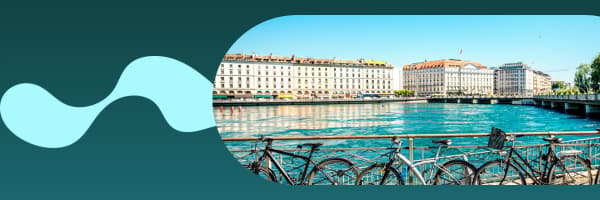
Geneva and the surroundings are run on systems. Once you understand them, life flows smoothly — but at the start, it can feel overwhelming. A few things I learned quickly:
- Everything requires paperwork, often in multiple copies.
- Geneva is deeply international, yet integrating locally takes effort.
- As a spouse, you need to create your own structure and community.
Relocating with our Baby and a Cat
We moved with our 18-month-old daughter and our cat, which added another layer of planning. Flights that allow pets were limited; we flew into Zurich and then took a 3-hour train to Geneva with our baby and cat.
The train journey was stunning, winding through the rolling hills of Switzerland, past charming towns like Lucerne and Bern, along Lake Thun, and through the snow-capped Alps. The Bernese Oberland scenery made the trip memorable despite the logistics.
France or Switzerland? Choosing Where to Live
Choosing where to live was one of the first major decisions. Switzerland offered convenience and proximity to the UN HQ, but it came with extremely high rent in a competitive housing market. France (Pays de Gex) offered more space, a slower pace, and better value, although my wife's daily commuting and navigating cross-border systems were considerations.
We ultimately chose to live in France, settling in the semi-rural town of Prévessin-Moëns, 5 minutes from the Swiss border. It has a farm-town feel, it is minutes away from Geneva, with open land, mountain views, and quiet residential streets. Though rents are high everywhere, this location offered a balance of space, affordability, and community.
 Living across the border in France changes the rhythm again. You may save on housing, but daily life becomes more logistical: border traffic, healthcare choices, taxes, transport cards, school systems, insurance, banking, and residency rules all overlap between the two countries. You end up learning two bureaucracies instead of one.
The first months are usually the hardest. Simple tasks take energy because nothing is familiar yet — where to shop, how appointments work, which documents matter, how long processes take, even how people communicate professionally. Swiss administration is precise and predictable, but it assumes you already know the process. The French used old postal systems for everything, which felt ancient to me. I'm not that old/young, however you see it :)
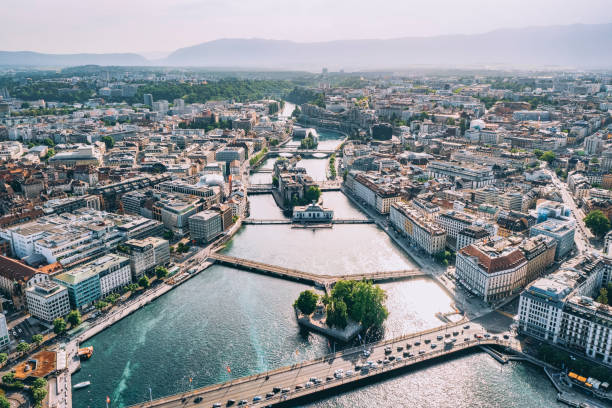
At the same time, the region offers an incredible quality of life once you settle in. Public transport is reliable. Nature is always close. Weekends can mean skiing, lake walks, small French markets, or trains into nearby cities. Geneva itself feels compact, but internationally connected in a way few places are.
One thing that helped me most was accepting that building a life here takes intention. Friendships do not happen automatically just because the city is international. You have to say yes repeatedly: coffee invitations, language classes, parent groups, staying late after football practice to get to know my teammates, networking events, WhatsApp chats, random expat meetups. Over time, those small connections become your support system.
I also learned not to compare the transition too closely to “back home.” The people who thrive here are usually the ones who stop trying to recreate their old life exactly and instead build new routines around how this region actually works.
And eventually, the systems that first felt rigid start becoming reassuring. Things function. Processes are clear. Streets feel safe. Services work. You begin to understand why so many people stay far longer than they originally planned.
Language and Job Opportunities
My wife speaks French, but I do not. While it is not strictly necessary to speak French in the area. — I would suggest learning at least some basic French to improve your quality of life and day-to-day interactions.
For those considering working in the region, job opportunities differ between Switzerland and France:
- Switzerland — especially Geneva — generally offers higher salaries and more international, English-speaking opportunities, although French is still very valuable for integration and many jobs.
- France - In the French border area near Geneva, there are fewer English-speaking opportunities than on the Swiss side, and most local French companies expect fluent French. However, because the region is closely tied to Geneva’s international economy, it is still possible to find English-speaking roles in multinationals, science, tech, hospitality, education, healthcare, and remote work.
NOTE: I did not search for jobs myself, so I cannot personally vouch for the speed and experience in today's job market.
Why Ferney-Voltaire and Prévessin-Moëns are popular
Ferney-Voltaire has a lively but small town centre, markets, and cafés, while Prévessin-Moëns offers quiet streets and green spaces. Both are filled with people in similar situations — newcomers, expats, and UN/CERN/INGO spouses — which makes settling in easier. You are 5 minutes away from Geneva Airport, you will hear a lot of planes ;),
A huge bonus is the proximity to numerous ski resorts. Weekends and holidays can easily be spent on the slopes in the Alps, if you like to ski - not my cup of tea.

Set Up Essentials - Basic First Steps
Here’s what I focused on first to get life on track and survive :)
-
Local Bank account – essential for rent and bills, and needed to open anything else (Mobile, Internet, etc) - You need your passport or right to live/work Visa.
-
Phone and internet – crucial for appointments and daily life.
-
Health insurance – mandatory and worth it.
-
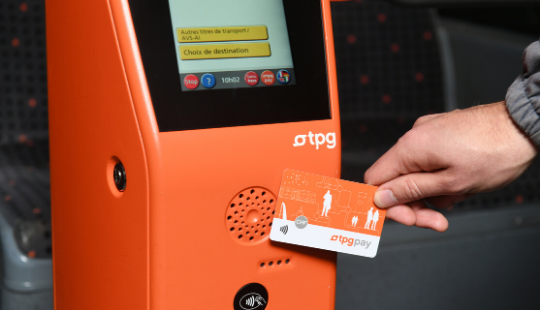
TPG Travel Card - dont play the taxi game :)
-
French tax and social security registration (mandatory). I relied on a local personal assistant who specialises in expats.
-
Childcare (crèche) – we needed a bilingual (French-English) crèche for our daughter. These are in high demand, limited options and expensive, costing around €2,200+ per month per child.
-
Residence permits and registrations – book early. For non-EU nationals, see Visa process for non-EU nationals.
-
Finding accommodation is time-consuming; most rental agents only work with you once you are in the country, so pre-planning was difficult. We solved this by flying over to see the apartments ourselves and paying to secure one before moving.
Integrating locally helps a lot!
I joined the local football club, first as a player and then also as a senior team coach. This allowed me to meet locals my age, practice the language, and experience French culture beyond the UN bubble. I also joined several Facebook expat groups, which proved invaluable for finding apartments, furniture, toys for my daughter, understanding bureaucracy (this is a big one), getting recommendations, and networking. Practical advice: check old posts, attend meetups and coffee mornings, and reach out privately — most expats are happy to help.
Favourite Trips and Adventures (so much to see!)
Living near Geneva made it easy to explore the surrounding areas. Some of my favourite trips included Chambéry, Annecy, Montreux, Annonay, Évian-les-Bains, and attending a Champions League game in Lyon. Other beautiful nearby towns include Yvoire and Gruyères. Weekend and day trips to charming towns became highlights of our time in the region. I would recommend you start exploring this right away. We waited too long, so many beautiful towns to see. The Geneva Christmas market was also a highlight for the little one. Don’t forget all the mountains surrounding the area, you are literally 15 minutes away from a Ski resort. I know, I recommend skiing alot for someone who does not enjoy it. :)
The Expat Community
The expat network in Ferney-Voltaire and Prévessin-Moëns is incredibly supportive. Everyone understands the lifestyle: international careers, frequent moves, partners working long hours. These connections became a lifeline during the early months and beyond. Some of these became friends that we really miss.
Challenges and the Honest Truth
Moving to this area of the world came with challenges:
- High rent – prepare documentation early, and motivational letters to secure your tenancy
- Childcare – dual-language crèches are expensive and limited.
- Taxes and social security – complex without local help.
- Taxis are extremely expensive - and Uber is far less common or reliable once you cross into France. The good news is that the public transport system is excellent and quickly becomes part of daily life.
- Building a social circle takes time
- Winters can feel long and isolating at first – especially for spouses adjusting to a new country without an immediate professional structure.
Once the systems are in place and you understand how the region works, life becomes remarkably stable, safe, and efficient.
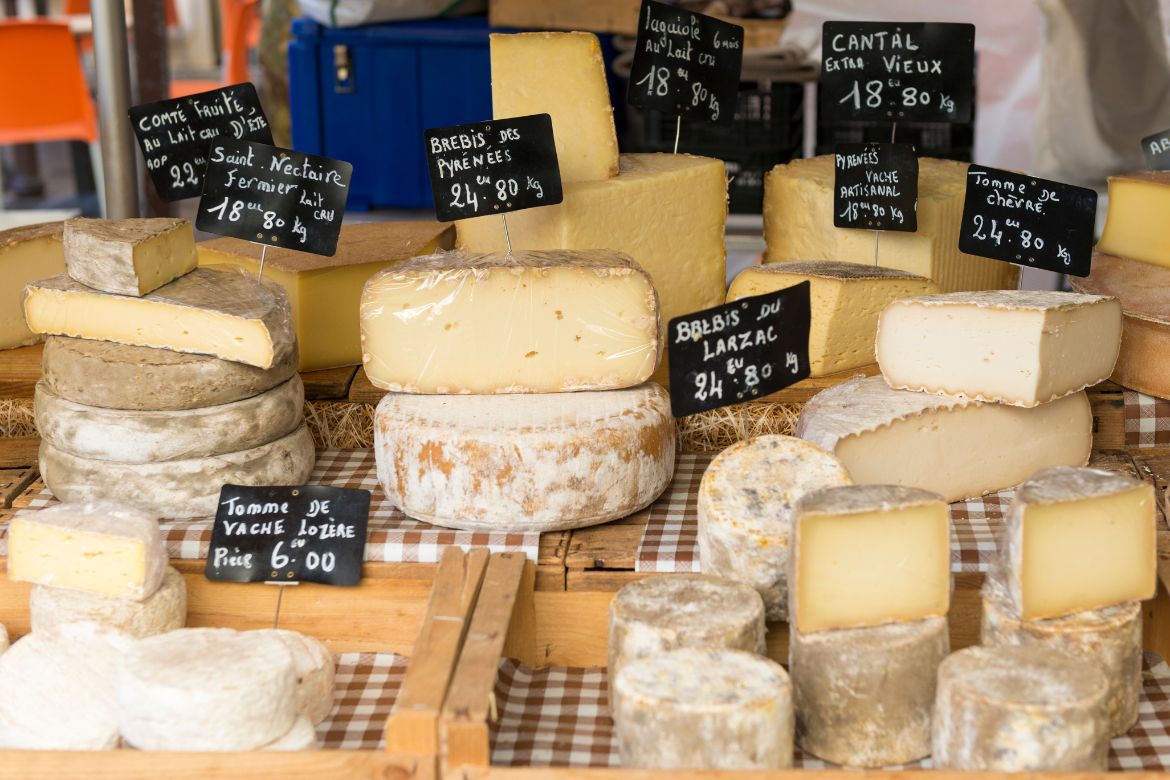
I still miss the cheese!— the creamy Brie de Meaux, the nutty Comté, the tangy Bleu de Gex, the buttery Beaufort, the aromatic Munster, and, of course, Gruyère and Raclette from Switzerland. Nothing quite compares to enjoying these local treasures straight from their regions!
Final Thoughts
Since our time in Geneva, we have moved to Budapest following my wife’s next posting at another International organisation. Our family is also expanding — we are expecting a baby boy in late May 2026.
Moving as a UN spouse isn’t just relocation; it’s reinvention. With planning, support, and patience, the region offers an incredibly rich quality of life. Between international energy, calm towns, some smaller events can feel like a culture melting pot, integration through sports and community, ski trips, exploring beautiful towns, and amazing local cheeses, I gradually felt at home — and the journey continues in Budapest.
If you got this far, thanks for your time! Let's connect on LinkedIn