
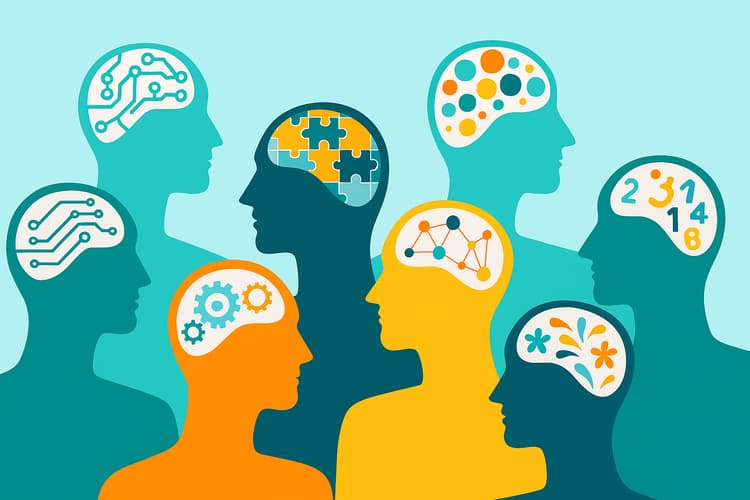
In Episode 83 of the Impactpool Career Podcast, Satomi shares insights on what a truly inclusive workplace looks like and how international organizations can better create neuro-inclusive workplace. One of the most striking points Satomi raises is that invisible disabilities make up 80% of the disability community, yet organizational focus often remains on physical disabilities because they’re easier to “see.”
Awareness of systemic gaps allows neurodivergent professionals to strategise, not struggle, but to focus on strengths, communicate needs clearly, and choose an environment that enables them to thrive, not survive.
At the heart of the conversation, she talks about how the concept of the workplace moves the concept of universal design, simply the design for the edge that benefits all.
Satomi also highlights a critical insight: traditional DEI frameworks are often rooted in Western norms, which may not translate globally. For neurodivergent professionals navigating international organizations, understanding cultural context is key. Recognizing that HR systems may operate differently across countries allows individuals to position themselves strategically and seek allies who understand neurodiversity in their local context.
Practical Takeaways for Neurodivergent Professionals
While much of the discussion in the podcast is aimed at HR leaders, there are concrete strategies for professionals themselves:
-
Know your strengths and needs: Focus on outcomes rather than labels when discussing accommodations.
-
Choose disclosure strategically: Not every organization or role requires upfront disclosure; timing and context matter.
-
Seek supportive networks: Allies, coaches, and peer networks can help navigate challenges and amplify your voice.
-
Advocate with insight: Understand systemic gaps and use your voice to promote neuroinclusive practices that benefit everyone -boosting productivity, engagement, and psychological safety across the workplace.As we celebrate Neurodiversity Month, let this be a call to action: whether you are shaping policy as an HR leader or advancing your own career, creating and thriving in inclusive workplaces is a shared responsibility. By understanding systemic trends, advocating strategically, and leveraging environments built on universal design, neurodivergent professionals can harness their great strengths , not only to survive in international organizations.
Interested in exploring this topic or speaking with Satomi, Please do not hesitate to contact her via our Career Coaching Services.